What is Folliculitis?
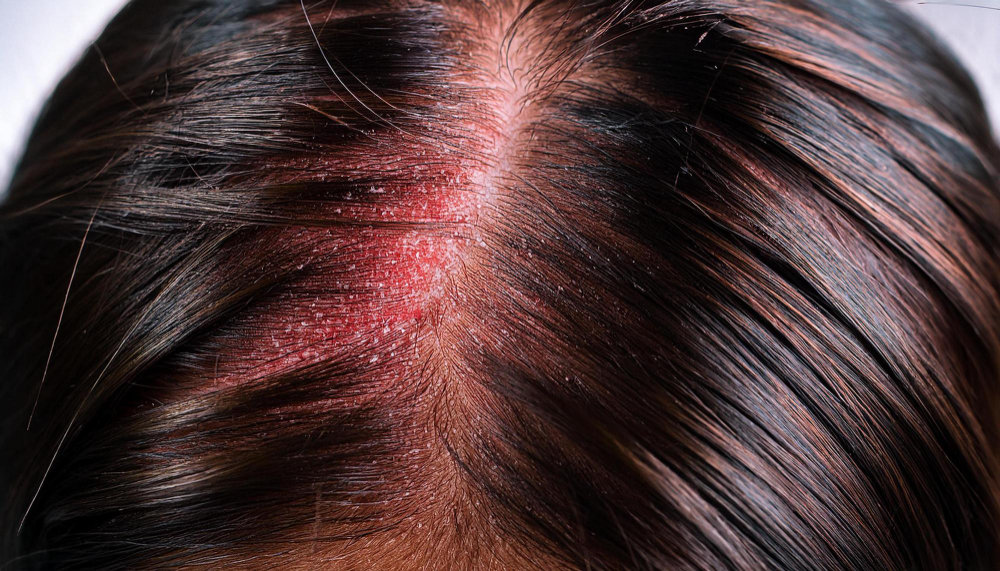
Folliculitis is a common skin condition. It happens when hair follicles become inflamed or infected. Often, this condition looks like small red bumps or pimples. Sometimes, these bumps have pus. Folliculitis can affect any part of the body with hair. However, it is most common on the scalp, face, neck, arms, and legs. Because it can be uncomfortable, many people want to know how to treat folliculitis at home. Understanding the basics can help you manage and prevent it.
Common Symptoms of Folliculitis
Folliculitis symptoms can vary from mild to severe. Usually, the signs are easy to spot. For example, you may notice:
Sometimes, the area may swell or feel warm. If you see these symptoms, it is important to take action early. Early care can help prevent the condition from getting worse.
Causes and Risk Factors
Folliculitis happens when bacteria, fungi, or viruses infect hair follicles. Most often, the bacteria Staphylococcus aureus is the cause. However, other germs can also lead to this problem. There are several risk factors that can increase your chances of getting folliculitis. For instance:
Because these factors can make the skin more vulnerable, it is helpful to know your risks. According to the CDC, keeping your skin clean and dry can lower your risk.
How Folliculitis is Diagnosed
Doctors usually diagnose folliculitis by looking at your skin. In most cases, a simple exam is enough. Sometimes, your doctor may take a sample of pus or skin. This helps find out what type of germ is causing the problem. Rarely, if the condition does not improve, more tests may be needed. Early diagnosis can help you get the right treatment. If you are unsure, always seek dermatology advice for folliculitis.
Treatment Options for Folliculitis
Treatment depends on how severe the folliculitis is. For mild cases, you can often care for your skin at home. Here are some common treatment options:
For more serious cases, your doctor may prescribe antibiotics or antifungal medicines. Sometimes, special creams are needed. If you have frequent outbreaks, your doctor may suggest other treatments. Always follow your doctor’s advice for the best results.
Prevention Tips and Lifestyle Guidance
Preventing folliculitis is possible with a few simple steps. For example, you can:
Additionally, if you notice any irritation, treat it early. These folliculitis prevention tips can help keep your skin healthy. Good habits can make a big difference over time.
When to See a Dermatologist
Sometimes, home care is not enough. You should see a dermatologist if:
Because a dermatologist can offer expert care, do not wait if you are worried. Early treatment can prevent complications and help your skin heal faster.
In summary, folliculitis is common but manageable. With the right steps, you can treat and prevent it. For personalized advice, consult your dermatologist today.