
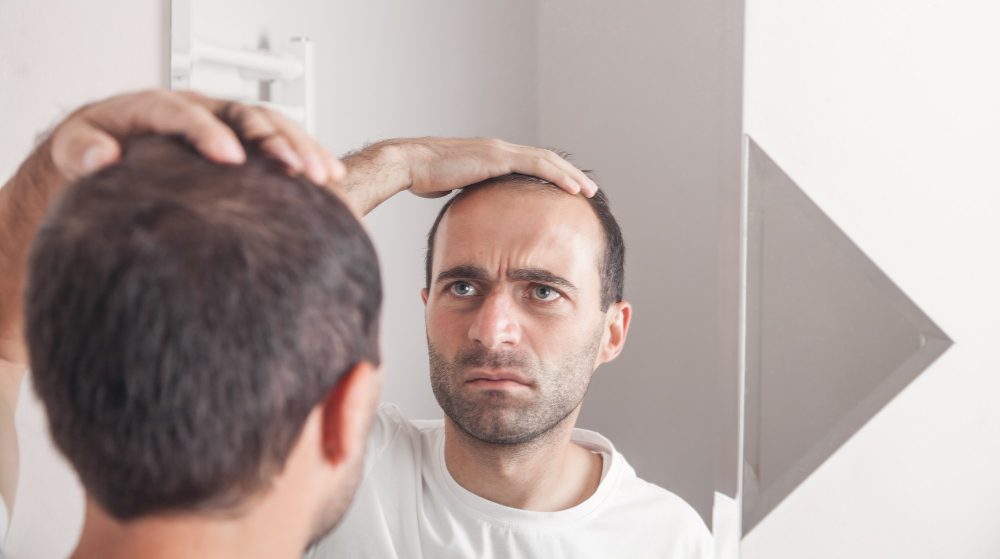
Introduction to Hair Loss and Hair Transplantation
Many people experience hair loss at some point in their lives. For some, it can cause worry and lower self-confidence. However, there are solutions available. One popular option is hair transplantation. The importance of hair transplantation lies in its ability to restore hair and improve quality of life. This blog will explain the benefits, the hair transplant procedure, and what you can expect.
Why Hair Transplantation Matters
Hair loss can affect more than just your appearance. For example, it can impact your mood and social life. Because of this, hair transplantation offers several important benefits:
Therefore, hair transplantation is more than just a cosmetic procedure. It can improve your overall well-being.
Who Can Benefit from Hair Transplantation?
Not everyone with hair loss needs a hair transplant. However, certain people are ideal candidates. For instance, you may benefit if you:
On the other hand, people with widespread hair loss or certain medical conditions may not be suitable. Always consult a hair restoration specialist to see if you are a good candidate.
The Hair Transplantation Procedure Explained
Hair transplantation is a safe and effective way to restore hair. But how does it work? The process usually involves the following steps:
Most procedures take several hours. However, you can usually go home the same day.
Expected Results and Recovery
After a hair transplant, you may notice some swelling or mild discomfort. But this usually goes away in a few days. Most people can return to work within a week. Over the next few months, the transplanted hair will start to grow. Usually, you will see full results in 6 to 12 months. To help your recovery, your doctor may give you special care instructions, such as:
With proper care, your new hair can last a lifetime.
Risks and Important Considerations
Although hair transplantation is safe, there are some risks. For example, you may experience:
However, choosing a certified and experienced specialist can reduce these risks. Always discuss possible side effects and your medical history before the procedure.
Prevention and Maintenance Tips
After your hair transplant, it is important to maintain your results. Here are some tips to help prevent further hair loss:
In addition, regular check-ups with your hair restoration specialist can help you keep your hair healthy.
Conclusion
In summary, the importance of hair transplantation goes beyond looks. It can boost your confidence and improve your quality of life. If you are considering this procedure, consult a certified dermatologist or hair restoration specialist for personalized advice.