What is Platelet-Rich Plasma (PRP) for Skin?
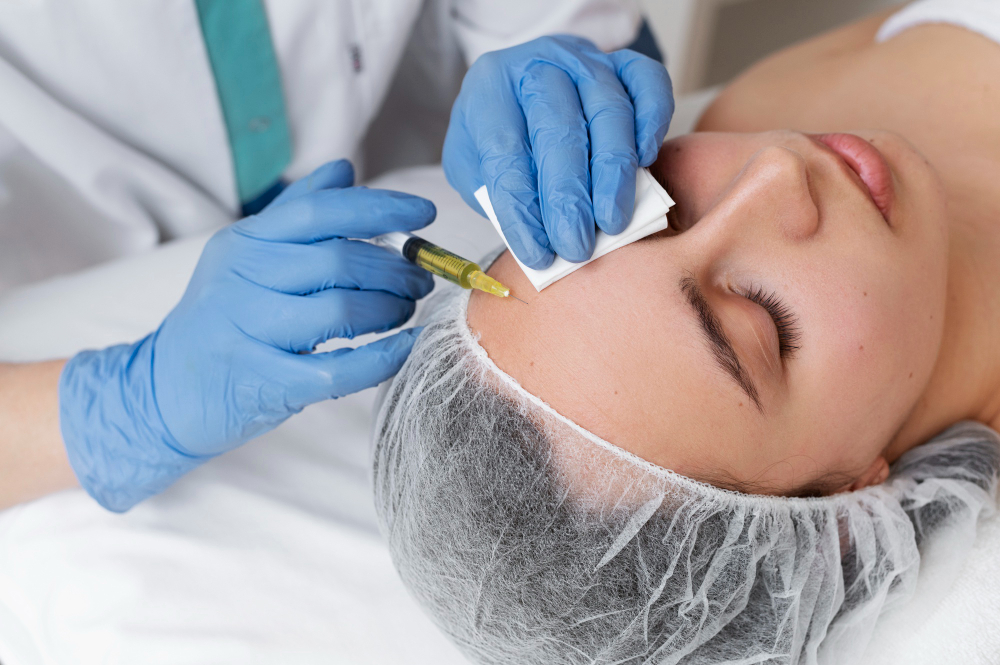
Platelet-Rich Plasma (PRP) for skin is a treatment that uses your own blood to help your skin look healthier. In recent years, PRP has become popular in dermatology. Many people choose PRP skin treatments to improve their skin’s appearance. The process involves taking a small amount of your blood, spinning it in a machine, and using the rich part called plasma on your skin. Because it uses your own blood, PRP is considered a natural option for skin care.
How Does PRP Work for Skin Rejuvenation?
PRP works by using the platelets in your blood. These platelets have special growth factors. When applied to your skin, they help repair and renew skin cells. As a result, your skin can look fresher and younger. Many clinics use PRP for skin rejuvenation because it helps boost collagen. Collagen is a protein that keeps your skin firm and smooth. Over time, your body makes less collagen, so PRP can help restore it.
Benefits of PRP for Skin
There are several reasons why people choose PRP skin treatments. For example, PRP can:
Additionally, many people like that PRP is a natural treatment. According to studies in dermatology journals, PRP can be effective for skin rejuvenation. However, results may vary from person to person.
The PRP Procedure: What to Expect
Before the PRP facial procedure, your doctor will explain each step. First, a small amount of blood is drawn from your arm. Next, the blood is placed in a machine called a centrifuge. This machine spins the blood to separate the plasma from other parts. After that, the plasma, which is rich in platelets, is applied to your skin. Sometimes, doctors use tiny needles to help the plasma go deeper. The whole process usually takes about 30 to 60 minutes. Most people feel only mild discomfort during the treatment.
Safety, Risks, and Side Effects of PRP
PRP for skin is generally safe because it uses your own blood. However, like any procedure, there are some risks. For instance, you may notice:
These side effects usually go away within a few days. Rarely, infection or injury can occur if the procedure is not done properly. Therefore, it is important to choose a certified dermatologist or clinic. The World Health Organization (WHO) and dermatology experts recommend using only clean, safe equipment for PRP treatments.
Who is a Good Candidate for PRP Skin Treatments?
Not everyone is the right fit for PRP skin treatments. Generally, good candidates are:
On the other hand, people with certain medical conditions may not be suitable. For example, if you have a bleeding disorder or are pregnant, you should avoid PRP. Always talk to your doctor before starting any new treatment.
Recovery and Aftercare Tips
After your PRP skin treatment, you can usually return to normal activities the same day. However, you should follow some simple aftercare tips:
Because everyone’s skin is different, healing times may vary. If you notice any unusual pain or signs of infection, contact your doctor right away.
Frequently Asked Questions about PRP for Skin
In summary, Platelet-Rich Plasma PRP for skin is a natural way to help your skin look younger and healthier. It is important to talk to a certified dermatologist to find out if PRP for skin is right for you.