What Are Acne Scars?
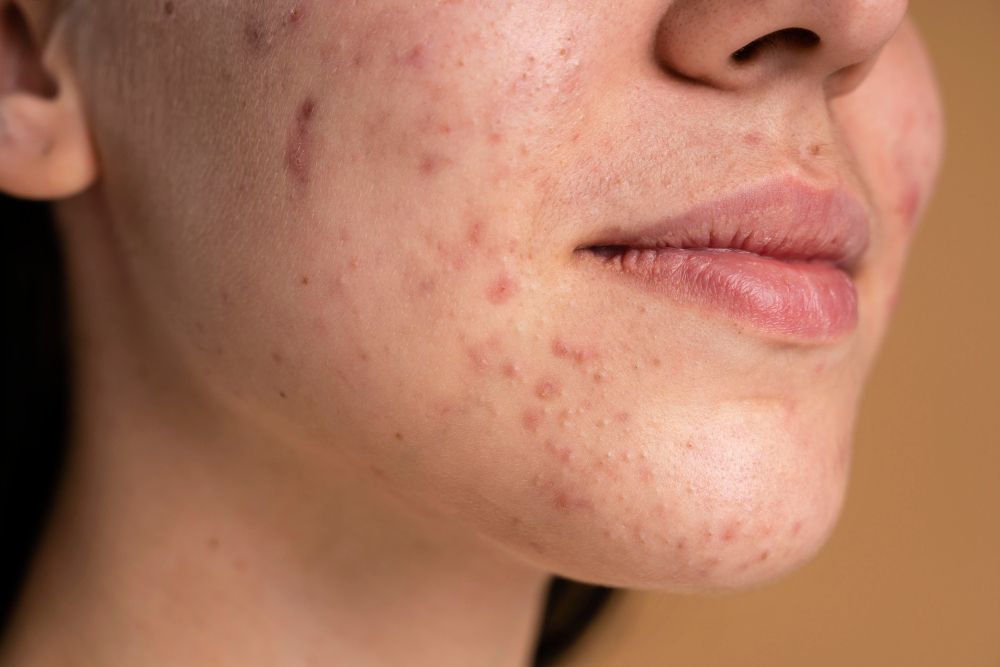
Acne scars are marks left on the skin after pimples heal. Many people notice these scars on their face, back, or chest. While acne scars are common, they can affect self-confidence. However, there are many ways to treat and reduce them. Understanding acne scars is the first step to finding the right solution.
Causes of Acne Scars
Acne scars form when the skin tries to heal after a pimple or cyst. Sometimes, the skin makes too much or too little tissue. As a result, scars appear. Several factors can increase the risk of acne scars:
For example, if you pick at your skin, scars are more likely to form. On the other hand, treating acne early can help prevent scars.
Types of Acne Scars
There are different types of acne scars. Each type looks and feels different. Knowing the type helps in choosing the best acne scar treatment. The main types include:
Because each scar type is unique, treatments may differ.
How Are Acne Scars Diagnosed?
Doctors diagnose acne scars by looking at your skin. Usually, a dermatologist will examine the scars closely. Sometimes, they may ask about your acne history. In most cases, no special tests are needed. However, a careful check helps find the best way to treat your scars.
Effective Acne Scar Treatments
There are many ways to treat acne scars. The right treatment depends on the scar type and your skin. Here are some common options:
Medical Treatments
Procedural Treatments
For example, laser therapy works well for many types of acne scars. But, not all treatments are right for everyone. Therefore, it is important to talk to a dermatologist.
Home Care Tips
Although home care helps, it may not remove deep scars. Still, these steps can improve your skin’s look and feel.
Prevention Tips and Lifestyle Guidance
Preventing acne scars is easier than treating them. Here are some tips to help you avoid scars:
Additionally, eating a balanced diet and managing stress can help keep your skin healthy.
When to See a Dermatologist
If acne scars bother you or do not improve with home care, see a dermatologist. Especially if scars are deep, painful, or affect your confidence, a doctor can help. Moreover, new treatments are always being developed. Therefore, a dermatologist can suggest the best options for your skin type and scar type.
Summary
In summary, acne scars are common but treatable. Many options exist, from creams to advanced procedures. Early care and prevention can make a big difference. However, for the best results, consult a dermatologist for personalized acne scar treatment options.