Introduction
Warts are common skin growths that affect people of all ages. They often appear on the hands, feet, or other body parts. Because warts can be bothersome or embarrassing, many people seek ways to treat or prevent them. In this blog, you will learn about wart symptoms, causes, diagnosis, treatment options, and how to prevent warts. Understanding these basics can help you take better care of your skin.
What Are Warts?
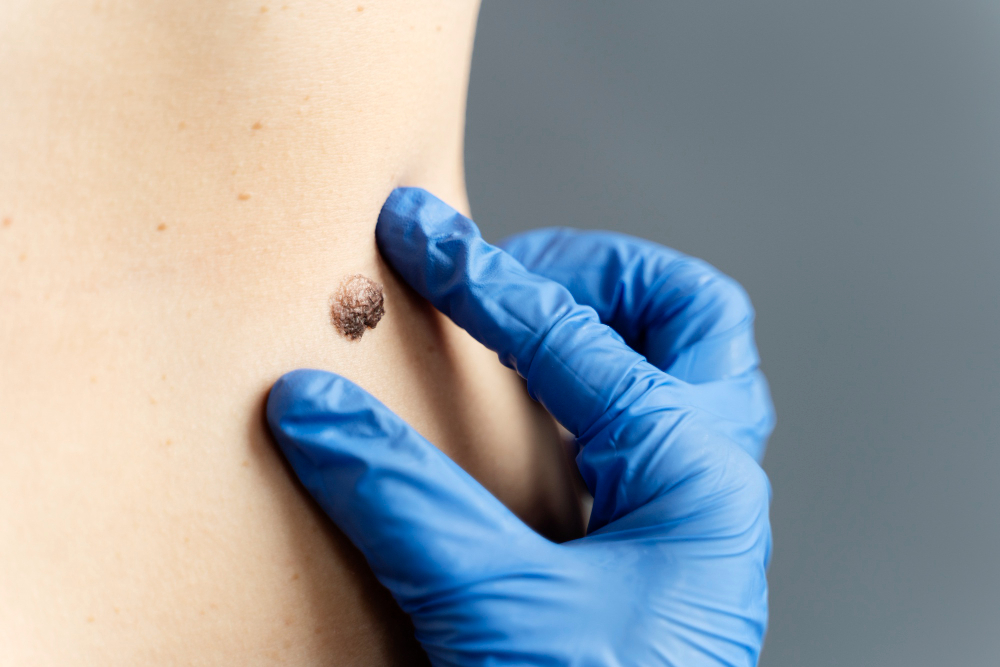
Warts are small, rough bumps that grow on the skin. They are caused by a virus called human papillomavirus (HPV). Although warts are usually harmless, they can spread from person to person. There are several types of warts, and each type looks a bit different. For example, some warts are flat, while others are raised or have a rough surface.
Symptoms of Warts
Wart symptoms can vary depending on the type and location. However, most warts share some common signs. For instance, you may notice a small, grainy bump on your skin. Sometimes, warts have tiny black dots, which are clotted blood vessels. Although warts are usually painless, plantar warts on the feet can hurt when you walk. In some cases, warts may itch or feel tender.
Causes and Risk Factors
Warts are caused by the human papillomavirus (HPV). This virus enters the skin through tiny cuts or breaks. Because HPV is contagious, warts can spread by direct contact or by touching objects used by someone with warts. For example, sharing towels or walking barefoot in public showers can increase your risk. Some people are more likely to get warts than others. Children, people with weak immune systems, and those who bite their nails are at higher risk.
Diagnosis
Doctors usually diagnose warts by looking at the skin. In most cases, no special tests are needed. However, sometimes warts can look like other skin problems. In these cases, your doctor may scrape off the top layer or take a small sample for testing. This helps confirm the diagnosis and rule out other conditions. If you are unsure about a skin growth, it is always best to ask a healthcare provider.
Treatment Options
Many warts go away on their own, but treatment can help if they are painful or spreading. There are several ways to treat warts. Some treatments can be done at home, while others require a doctor’s help. For example, over-the-counter wart removers contain salicylic acid, which helps peel away the wart. Freezing (cryotherapy) is another common method used by doctors. In some cases, minor surgery or laser treatment may be needed.
At home, you can try covering the wart with duct tape or soaking it in warm water. However, do not try to cut or burn off a wart yourself, as this can cause infection.
Prevention Tips
Although it is not always possible to prevent warts, you can lower your risk by following some simple steps. For instance, keeping your skin clean and dry helps. Also, avoid touching warts on yourself or others. If you have a wart, cover it with a bandage to prevent spreading. Here are more tips on how to prevent warts:
When to See a Doctor
Most warts are harmless and go away on their own. However, you should see a doctor if:
Early medical advice can help prevent problems and ensure proper care.
Conclusion
Warts are common skin growths caused by a virus. Although they are usually harmless, they can be uncomfortable or spread to others. Because there are many ways to treat and prevent warts, knowing the basics can help you stay healthy. If you have concerns about warts or need help with treatment, consult a dermatologist for personalized advice on warts.