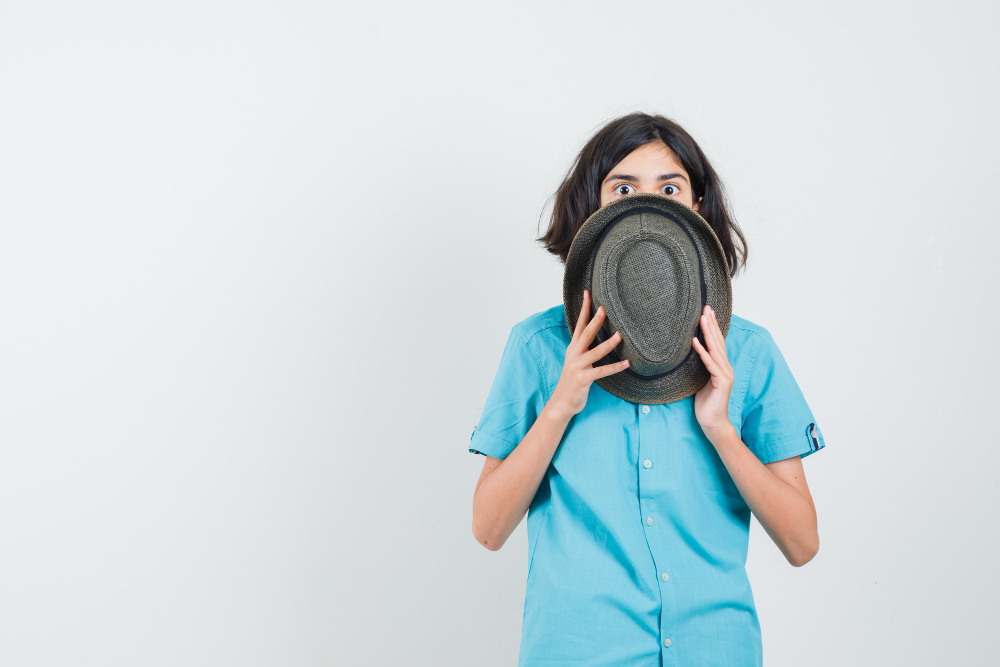
Many people worry about hair loss from wearing caps or helmets. You might wonder, can caps and helmets cause hairfall? This question is common, especially among those who wear helmets daily for work or travel. Some believe that wearing a cap or helmet leads to baldness or thinning hair. But is this true? Let’s explore the facts, myths, and expert advice on helmet hair loss and how to protect your hair.
Understanding Hairfall
First, let’s understand what hairfall means. Hairfall is when you lose more hair than usual from your scalp. Normally, it is normal to lose about 50 to 100 hairs each day. However, if you notice more hair on your pillow or in the shower, it could be a sign of hair loss.
There are many reasons for hairfall. Some common causes include:
But what about caps and helmets? Let’s find out.
Can Caps and Helmets Cause Hairfall?
Many people believe that wearing caps or helmets causes hairfall. However, this is mostly a myth. Scientific evidence does not support the idea that helmets or caps directly cause baldness. Still, some factors related to wearing them can affect your hair health.
For example, friction from a tight helmet or cap can rub against your scalp. Over time, this may weaken hair strands. In hot climates, sweat can build up under a helmet, making your scalp itchy or oily. If you do not clean your helmet or cap, bacteria and dirt can collect, which may irritate your scalp.
Here are the key points to remember:
What Does Research Say?
According to the World Health Organization (WHO) and dermatology experts, there is no strong evidence that helmets or caps cause permanent hair loss. The American Academy of Dermatology also states that hair loss is mostly linked to genetics, health, and lifestyle, not headgear.
Some studies in peer-reviewed journals mention a condition called “traction alopecia.” This happens when hair is pulled tightly for a long time, such as with very tight hairstyles or headgear. However, normal use of helmets or caps does not usually cause this problem. Keeping your scalp clean and your helmet well-fitted helps prevent issues.
Tips to Protect Your Hair While Wearing Caps or Helmets
Even though helmets and caps are safe, you can take steps to protect your hair. Here are some helpful tips:
When to See a Dermatologist
Sometimes, hairfall can be a sign of a bigger problem. You should see a dermatologist if you notice:
Conclusion & Call-to-Action
In summary, caps and helmets do not directly cause hairfall or baldness. However, tight headgear, sweat, and poor hygiene can affect your scalp and hair health. By following simple tips, you can keep your hair healthy while staying safe. If you notice unusual hair loss or scalp problems, consult a dermatologist for personalized advice. Your hair health matters, so take care and seek expert help when needed.