
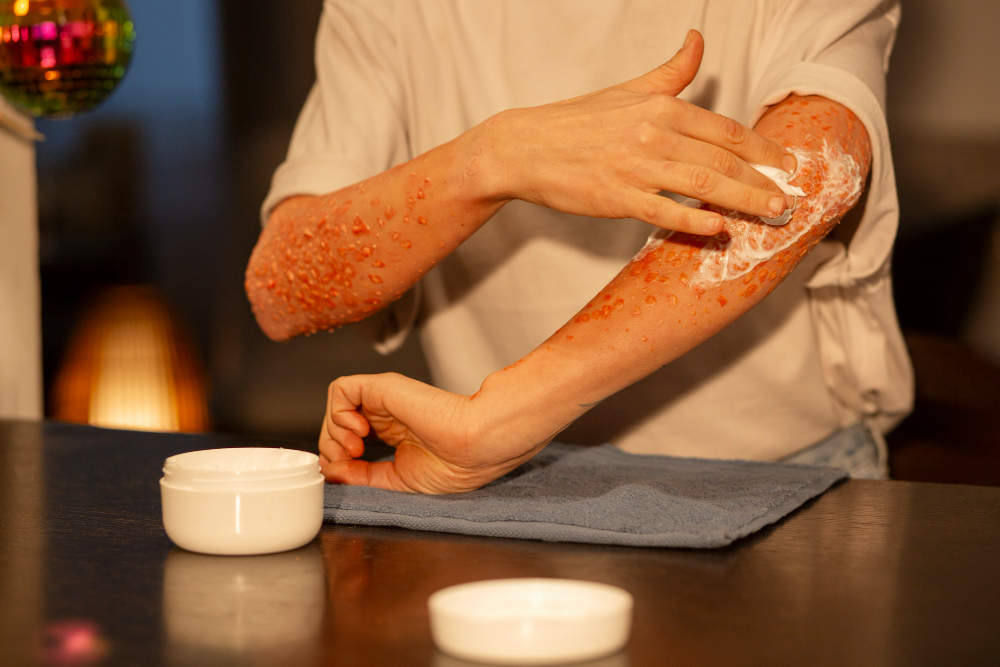
Understanding Eczema and Its Impact
Eczema is a common skin condition that causes dry, itchy, and inflamed skin. For many people, it can affect daily life. You may find it hard to sleep or focus because of the itch. Sometimes, even simple tasks like washing hands or wearing certain clothes can be uncomfortable. Although eczema is not contagious, it can be frustrating. Many people notice that their symptoms come and go. Often, this is due to different eczema triggers in their environment or routine.
Common and Overlooked Eczema Triggers
Many things can cause eczema flare-ups. Some triggers are well-known, but others are easy to miss. Knowing both can help you manage your skin better. Here are some common and often-missed eczema triggers:
Why Flare-Ups Keep Returning
Sometimes, eczema flare-ups keep coming back even when you try to avoid triggers. One reason is that some triggers are easy to overlook. For example, you may not notice how much stress affects your skin. Or, you might use a new laundry detergent without thinking it could be a problem. Incomplete skin care routines can also play a role. If you only treat symptoms and not the cause, flare-ups may return. Additionally, not keeping the skin barrier strong can make it easier for irritants to get in. As a result, your skin may stay sensitive and prone to new flare-ups.
Skin Barrier Support and Hydration: The Role of BOCUGEL
Keeping your skin barrier healthy is very important for eczema management. The skin barrier is like a shield. It keeps moisture in and blocks out irritants. When this barrier is weak, skin loses water and becomes dry and itchy. Therefore, using products that support the skin barrier can help prevent flare-ups. BOCUGEL is one such product. It helps keep the skin hydrated and supports the barrier. By locking in moisture, BOCUGEL can make your skin feel softer and less irritated. While it is not a cure, it can be a helpful part of your daily routine. Always choose gentle, fragrance-free products for best results.
Prevention and Lifestyle Tips
There are many ways to reduce eczema flare-ups and manage triggers. Try these simple tips:
When to Seek Medical Advice
If your eczema does not improve with home care, it is time to see a doctor. You should also seek help if you notice signs of infection, such as redness, swelling, or pus. Sometimes, eczema can be hard to manage alone. A dermatologist can help you find the right treatment and check for other skin problems. Early care can prevent complications and help you feel better sooner.
If you struggle with recurring eczema, consult a dermatologist for personalized advice.