What Are Acne Scars?
Acne scars are marks left on the skin after pimples heal. These scars can look like pits, raised bumps, or dark spots. For many people, acne scars can affect confidence. However, there are many ways to treat them. Understanding acne scars is the first step toward clearer skin.
Causes of Acne Scarring
Acne scars form when the skin tries to heal after deep or inflamed pimples. Sometimes, the skin makes too much or too little tissue. As a result, scars appear. Several factors can increase the risk of scarring:
Even though not everyone gets scars, early care can help reduce the risk.
Overview of Acne Scar Treatments
There are many acne scar treatment options available today. Some are simple, while others use advanced technology. Because each scar is different, the best treatments for acne scars may vary. Common treatments include:
Therefore, it is important to talk to a dermatologist before starting any treatment.
Microneedling: How It Works and Benefits
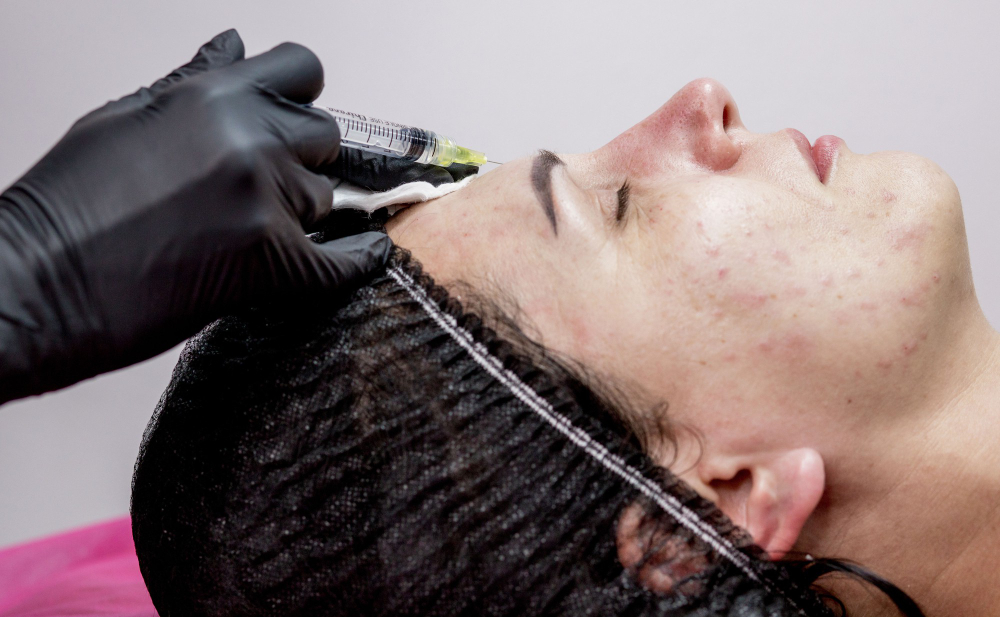
Microneedling for acne scars is a popular choice. In this procedure, tiny needles make small holes in the skin. As a result, the skin starts to heal and make new collagen. Collagen is a protein that helps keep skin smooth and firm. Some key benefits of microneedling include:
However, you may need several sessions for the best results. Always let a trained professional perform microneedling.
Advanced Procedures
For deeper or stubborn scars, advanced acne scar procedures may help. These treatments use special tools or chemicals to improve the skin. Some advanced options are:
Each method has its own benefits and risks. For example, laser therapy can target deep scars, while fillers work best for certain types of scars. According to dermatology journals, these treatments are safe when done by experts.
Choosing the Right Treatment
Since every person’s skin is unique, the right acne scar treatment depends on several factors. Consider these points when choosing a treatment:
Therefore, always consult a dermatologist. They can suggest the best plan for your skin.
Prevention and Aftercare Tips
Even though treatments can help, preventing new scars is important. Aftercare also helps your skin heal well. Here are some tips:
In addition, gentle care can prevent new scars from forming.
In summary, many safe and effective acne scar treatments exist today. From microneedling to advanced procedures, options are available for every skin type. Consult a dermatologist for personalized acne scar treatment advice.