
Introduction
Melasma is a common skin condition that causes brown or gray patches on the face. Many people search for melasma causes and melasma treatment because these patches can affect confidence. Although melasma is not harmful, it can be bothersome. In this blog, you will learn about what melasma is, its causes, risk factors, and the best ways to treat it. You will also find tips on prevention and when to see a dermatologist.
What is Melasma?
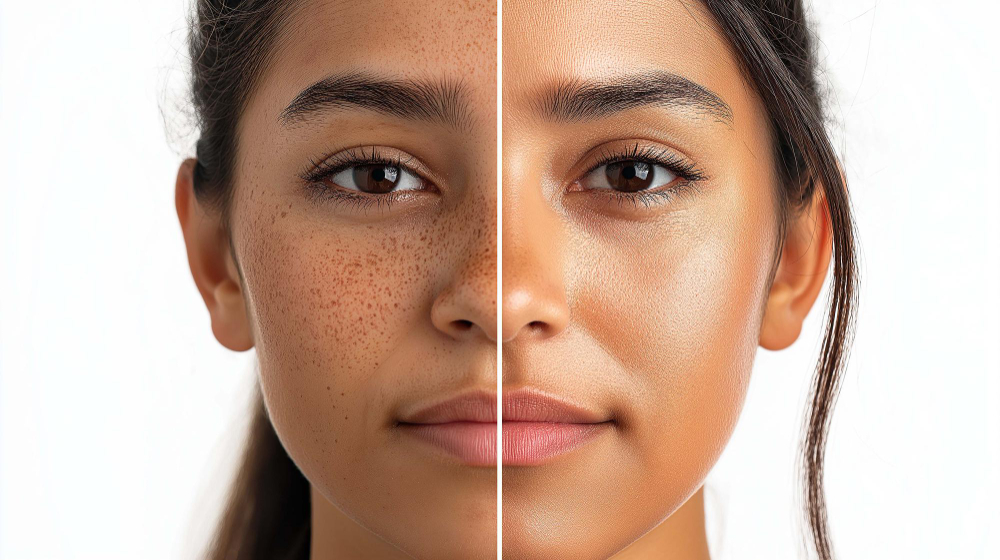
Melasma is a type of skin pigmentation. It leads to dark patches, usually on the cheeks, forehead, nose, or upper lip. Sometimes, melasma appears on other sun-exposed areas like the neck or arms. While it is not dangerous, it can be hard to treat. Both men and women can get melasma, but it is more common in women, especially during pregnancy.
Common Causes of Melasma
There are several reasons why melasma develops. Understanding these causes can help you manage or prevent it. Some of the most common causes include:
Risk Factors
Not everyone will get melasma. However, some people have a higher risk. For example, you may be more likely to develop melasma if you:
Because these factors increase your risk, it is important to protect your skin and watch for early signs.
Diagnosis of Melasma
Doctors usually diagnose melasma by looking at your skin. Sometimes, they use a special light to see the patches more clearly. In rare cases, a small skin sample may be taken to rule out other conditions. Early diagnosis can help you start treatment sooner and prevent the patches from getting darker.
Treatment Options for Melasma
There are several ways to treat melasma. While some treatments work better for certain people, your doctor can help you choose the best option. Common melasma treatment options include:
Because melasma can return, ongoing care and sun protection are key. According to the American Academy of Dermatology, combining treatments often gives the best results.
Lifestyle Tips and Prevention
Although melasma can be stubborn, you can take steps to prevent it or keep it from getting worse. Try these tips:
By following these steps, you can help manage melasma and protect your skin.
When to See a Dermatologist
If you notice new dark patches on your skin, it is a good idea to see a dermatologist. Also, if home treatments do not help or the patches get worse, a doctor can offer stronger treatments. Early care can make a big difference. Remember, a dermatologist can help you find the safest and most effective melasma treatment for your skin type.
Conclusion
Melasma is a common skin pigmentation problem, but it can be managed with the right care. Because many factors can cause melasma, it is important to protect your skin and seek help early. For the best advice on melasma treatment, consult a dermatologist. They can guide you to clearer, healthier skin.