What Is Skin Ageing?
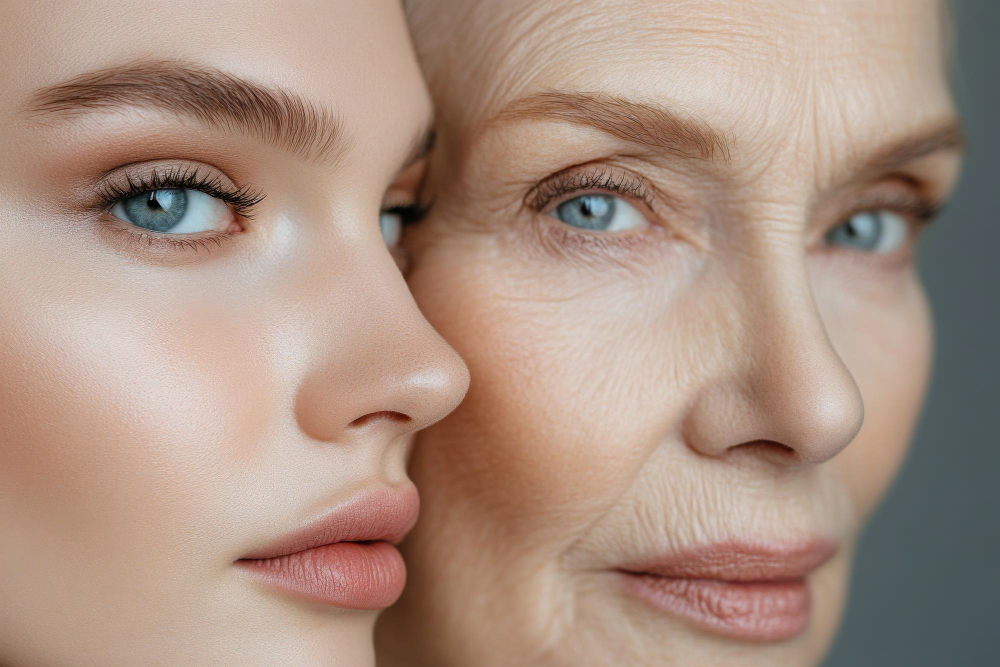
Skin ageing is a natural process that happens to everyone. As we get older, our skin changes in many ways. For example, it may become thinner, drier, or less firm. These changes are called signs of skin ageing. While ageing is normal, some factors can make skin age faster. Many people want to know how to prevent skin ageing and keep their skin healthy for longer.
Common Symptoms of Skin Ageing
Many people notice changes in their skin as they age. These changes are often easy to spot. For instance, you may see:
In addition, some people notice their skin heals more slowly. These are all common signs of skin ageing.
Main Causes of Skin Ageing
Several factors cause skin ageing. Some are natural, while others come from our environment. For example, as we age, our bodies make less collagen. Collagen is a protein that keeps skin firm and smooth. When collagen breaks down, skin loses its strength and shape.
However, other things can speed up skin ageing. These include:
Because of these factors, some people notice signs of skin ageing earlier than others.
How Skin Ageing Is Diagnosed
Doctors can often diagnose skin ageing by looking at your skin. Usually, they check for wrinkles, spots, and changes in texture. Sometimes, they may ask about your lifestyle or family history. For example, they might ask how much time you spend in the sun or if you smoke. In rare cases, a doctor may use a special tool to look at the deeper layers of your skin. This helps them see how much damage has happened over time.
Treatment Options for Skin Ageing
There are many treatment options for ageing skin. Some treatments help reduce fine lines or dark spots. Others make the skin look smoother or firmer. For example, common treatments include:
Before starting any treatment for skin ageing, it is best to talk to a doctor or skin specialist. They can help you choose the safest and most effective option.
Lifestyle Tips to Slow Skin Ageing
Many daily habits can help slow the signs of skin ageing. For instance, you can:
Because these habits protect your skin, they can help you keep a youthful look for longer.
Prevention Strategies for Skin Ageing
Preventing skin ageing is possible with the right steps. For example, you can:
In addition, using gentle skin care products can help prevent irritation and damage. By following these prevention strategies, you can reduce your risk of early skin ageing.