What Is Contact Dermatitis?
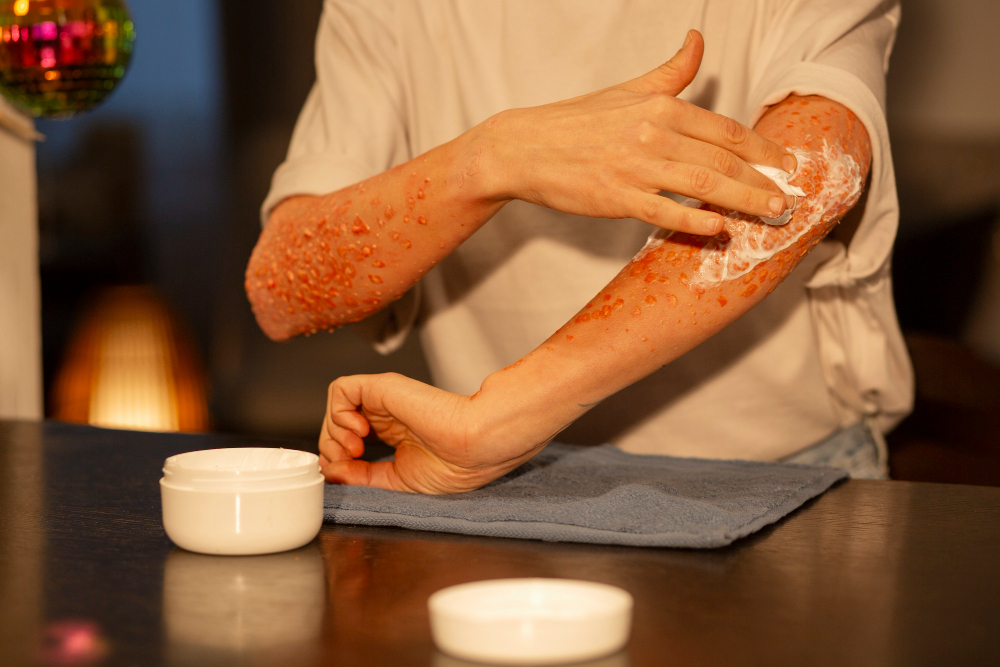
Contact dermatitis is a type of skin irritation that happens when your skin touches certain substances. Often, these substances are found in everyday products. For example, soaps, lotions, or cleaning supplies can sometimes cause a reaction. According to the Centers for Disease Control and Prevention (CDC), contact dermatitis is a common skin problem. Many people experience redness, itching, or swelling after using new products. Because it can affect anyone, it is important to know what causes it and how to manage it.
Common Symptoms of Contact Dermatitis
Usually, symptoms appear soon after your skin touches the trigger. However, sometimes signs may take a few hours or days to show up. If you notice any of the following, you might have contact dermatitis:
Sometimes, symptoms can be mild. But in other cases, they may become severe and uncomfortable. For this reason, it helps to spot the signs early.
Everyday Products That Can Trigger Contact Dermatitis
Many common items can cause skin irritation or allergies. In fact, even products you use daily may be triggers. Here are some examples:
Because everyone’s skin is different, not all products will affect each person the same way. Still, knowing these triggers can help you avoid skin irritation.
Causes and Risk Factors
Contact dermatitis happens in two main ways. First, there is irritant contact dermatitis. This type occurs when a substance directly damages your skin. Second, there is allergic contact dermatitis. In this case, your immune system reacts to a specific trigger. For example, some people are allergic to nickel or certain fragrances.
Several risk factors can make you more likely to get contact dermatitis:
Additionally, a family history of skin allergies can increase your risk. For this reason, it is wise to watch for early signs of irritation.
How Contact Dermatitis Is Diagnosed
If you think you have contact dermatitis, a healthcare provider can help. Usually, they will look at your skin and ask about your symptoms. Sometimes, they may ask about new products you have used. In some cases, a patch test may be done. This test helps find out which substance is causing your skin reaction. According to the World Health Organization (WHO), patch testing is a safe way to check for skin allergies. Because diagnosis is important, always share details about your daily habits and product use.
Treatment Options for Contact Dermatitis
Once contact dermatitis is diagnosed, treatment can begin. Often, the first step is to avoid the trigger. For mild cases, over-the-counter creams can help reduce itching and redness. Sometimes, your doctor may suggest stronger creams or medicines. If blisters or open sores appear, keeping the area clean is important. In rare cases, oral medications may be needed for severe skin allergies. Because each person’s skin is unique, treatment may vary. Always follow your healthcare provider’s advice for the best results.
Lifestyle Tips and Prevention Strategies
Preventing contact dermatitis is possible with a few simple steps. For example, you can:
Because prevention is key, these habits can help lower your risk of skin irritation. If you live in a city with high pollution or allergens, extra care may be needed. For those with a history of skin allergies, regular check-ins with a healthcare provider can help manage symptoms early.