What Are Dark Spots on the Face?
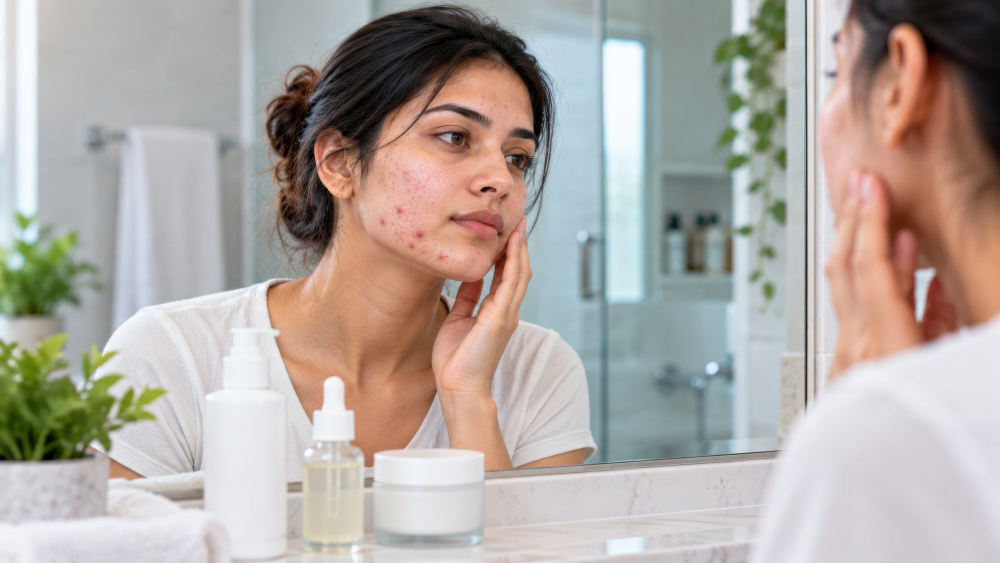
Dark spots on face are flat areas where the skin looks darker than the rest. These spots often appear brown, black, or gray. Many people notice them as they age. In fact, facial hyperpigmentation is a common skin concern worldwide. According to the American Academy of Dermatology, many adults will develop some form of dark spots during their lives. While these spots are usually harmless, they can cause worry or affect self-confidence. Because of this, understanding the causes of dark spots is important for prevention and care.
Common Causes of Dark Spots on the Face
Several factors can lead to dark spots. Below are some of the most common causes of dark spots on the face:
Risk Factors for Developing Dark Spots
Although anyone can get dark spots, some people have a higher risk. For example, people with lighter or medium skin tones may notice spots more easily. Additionally, those who spend a lot of time outdoors without sun protection are at greater risk. Family history also plays a role. If your parents had facial dark spots, you might develop them too. Furthermore, people with certain health conditions, like diabetes, may see more changes in their skin. According to the World Health Organization, sun exposure remains the top risk factor for facial hyperpigmentation worldwide.
How to Identify Different Types of Dark Spots
It helps to know what kind of dark spots you have. For instance, sun spots are usually small and flat with a light brown color. Melasma often appears as larger patches with uneven edges. Sometimes, spots from acne or injury look red at first, then turn brown or black. Because each type has a different cause, treatment may vary. If you are unsure, a dermatologist can help identify the type of dark spot on your face. This makes it easier to find the right care or treatment.
When to See a Dermatologist
Most dark spots on face are harmless. However, some changes need a doctor’s attention. For example, if a spot changes quickly, bleeds, or has uneven edges, it is best to see a dermatologist. Sometimes, dark spots can look like early skin cancer. Therefore, it is important to get checked if you notice anything unusual. In addition, if over-the-counter creams do not help, a dermatologist can suggest stronger treatments. Early care can make a big difference in preventing facial dark spots from getting worse.
Prevention Tips for Dark Spots
There are simple ways to help prevent facial hyperpigmentation. First, always use sunscreen with at least SPF 30, even on cloudy days. Next, wear hats or seek shade when outdoors. Also, avoid picking at pimples or skin injuries, as this can cause dark spots. For those using new medicines, ask your doctor about possible side effects. Finally, use gentle skin care products to avoid irritation. By following these steps, you can lower your risk of developing dark spots on your face.