Introduction
Aging & wrinkles are natural parts of life. As we grow older, our skin changes. These changes can lead to fine lines, wrinkles, and other signs of skin aging. Many people want to know how to prevent wrinkles or reduce fine lines. While aging cannot be stopped, you can take steps to slow down its effects. In this blog, you will learn about the causes, symptoms, and prevention of aging & wrinkles. You will also find helpful tips for wrinkle prevention and skin care.
What Are Aging & Wrinkles?
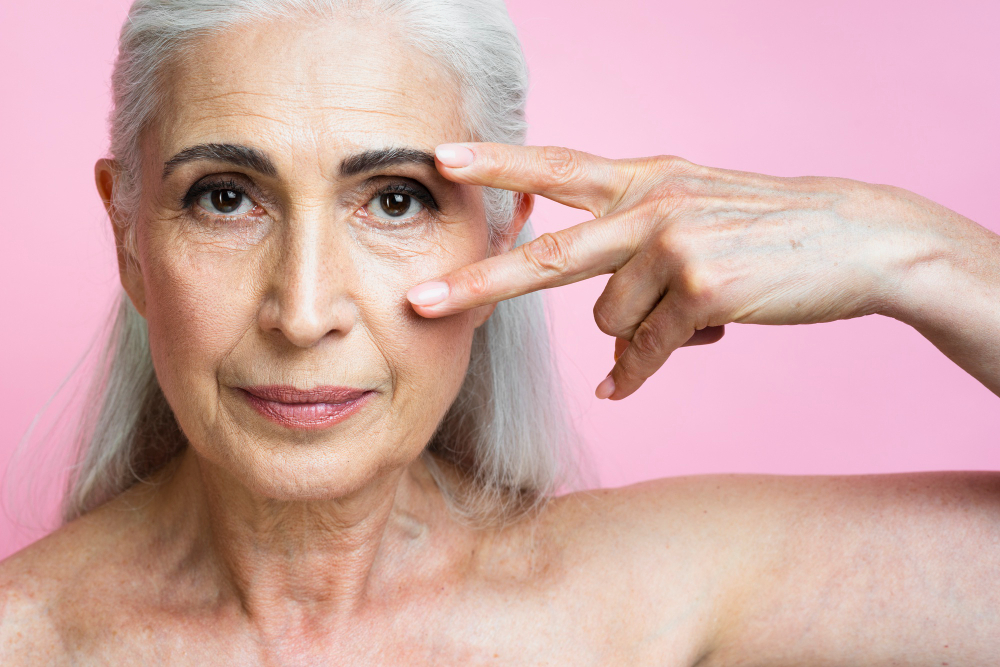
Aging is the process of getting older. Over time, your skin loses its firmness and smoothness. Wrinkles are small lines or folds that appear on the skin. They often show up on the face, neck, and hands. For example, you may notice crow’s feet near your eyes or lines around your mouth. These changes are common as people age. However, some people may see wrinkles earlier due to other factors.
Common Causes of Wrinkles
Several things can cause wrinkles. Some are natural, while others are linked to lifestyle choices. Understanding these causes can help you protect your skin. Here are some common reasons:
Recognizing Symptoms and Signs
It is important to spot the early signs of skin aging. Early action can help slow down wrinkles. Look for these symptoms:
Sometimes, wrinkles may appear earlier due to sun damage or smoking. If you notice sudden changes, it is wise to talk to a doctor.
Diagnosis and When to Seek Help
Most wrinkles do not need medical tests. Usually, a dermatologist can check your skin and give advice. However, you should seek help if:
In these cases, a doctor can rule out other skin problems. Early diagnosis can help with better treatment.
Effective Treatments for Wrinkles
There are many ways to treat wrinkles. Some treatments are simple, while others need a doctor’s help. Here are common options:
Not every treatment is right for everyone. Therefore, it is best to talk to a dermatologist before starting any new skin care routine.
Lifestyle Tips to Prevent or Reduce Wrinkles
Good habits can help keep your skin looking young. Try these tips to prevent or reduce wrinkles:
With these steps, you can slow down skin aging and keep your skin healthy.
Frequently Asked Questions
For more information, you can visit trusted sources like the World Health Organization (WHO) or the American Academy of Dermatology.
Conclusion: Aging & wrinkles are natural, but you can take steps to care for your skin. Consult a dermatologist for personalized advice on aging and wrinkles.