What is Atopic Dermatitis?
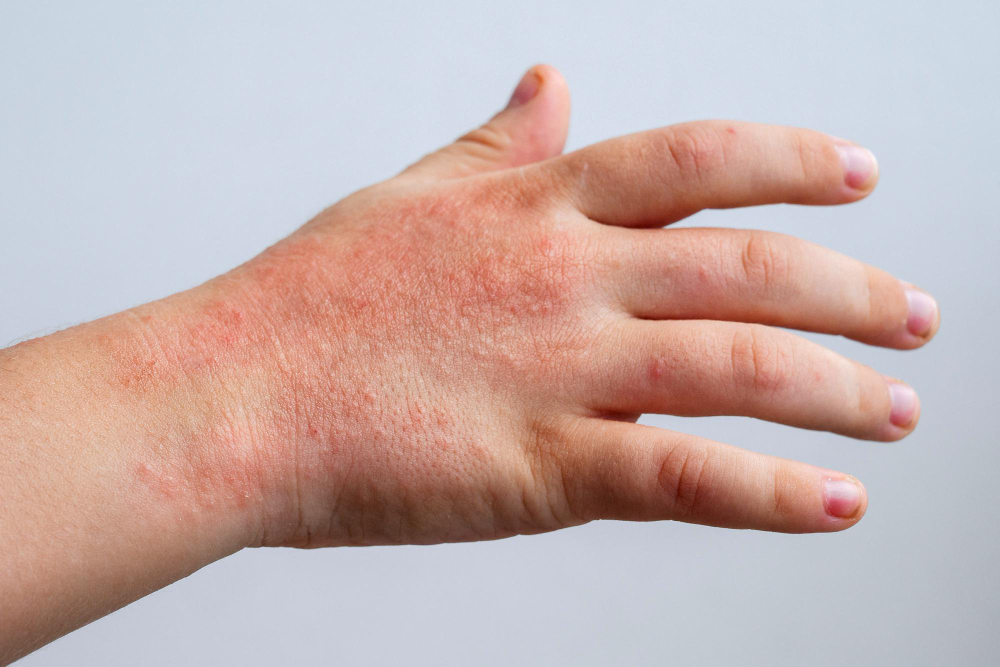
Atopic Dermatitis is a common skin condition. Many people also call it eczema. It causes dry, itchy, and inflamed skin. Often, it starts in childhood, but adults can get it too. Because it can come and go, managing atopic dermatitis at home is important. According to the World Health Organization, millions of people worldwide live with this condition. Although it is not contagious, it can affect daily life. Early care and the right eczema treatment options can help control symptoms.
Common Symptoms
Symptoms of atopic dermatitis can vary. However, most people notice some common signs. Early recognition helps with faster relief. For example, you may see:
Sometimes, symptoms get worse during certain seasons or after contact with irritants. But with the right skin care tips for eczema, you can reduce flare-ups.
Causes and Risk Factors
Doctors do not know the exact cause of atopic dermatitis. However, several factors can increase your risk. For instance, genetics play a big role. If a parent has eczema, asthma, or allergies, you may be more likely to get it. In addition, your immune system may overreact to triggers. These triggers can include:
Because triggers vary, keeping a diary can help you spot patterns. That way, you can avoid things that make symptoms worse.
How Atopic Dermatitis is Diagnosed
Doctors diagnose atopic dermatitis by looking at your skin and asking about symptoms. Usually, no special tests are needed. However, sometimes a doctor may do a skin test or allergy test. This helps rule out other skin problems. In some cases, a dermatologist may take a small skin sample for testing. Early diagnosis means you can start eczema treatment options sooner. If you are unsure, seeing dermatologists near you can provide answers.
Treatment Options
There are many ways to treat atopic dermatitis. Your doctor will suggest the best plan for you. Most treatments aim to reduce itching and prevent new flare-ups. Common options include:
Because everyone’s skin is different, your doctor may adjust your plan over time. Always follow your doctor’s advice for the best results.
Lifestyle Tips and Prevention
Simple changes at home can help manage atopic dermatitis. For example, you can:
Additionally, learning your triggers can help you avoid flare-ups. With these skin care tips for eczema, you can protect your skin every day.
When to See a Dermatologist
Sometimes, home care is not enough. If your symptoms do not improve, or if your skin becomes infected, it is time to see a dermatologist. Also, if itching keeps you awake or affects your daily life, get help. Dermatologists near you can offer advanced eczema treatment options. Early care can prevent problems and improve your quality of life.
In summary, atopic dermatitis can be managed with the right care. Consult a dermatologist for personalized advice on managing atopic dermatitis.