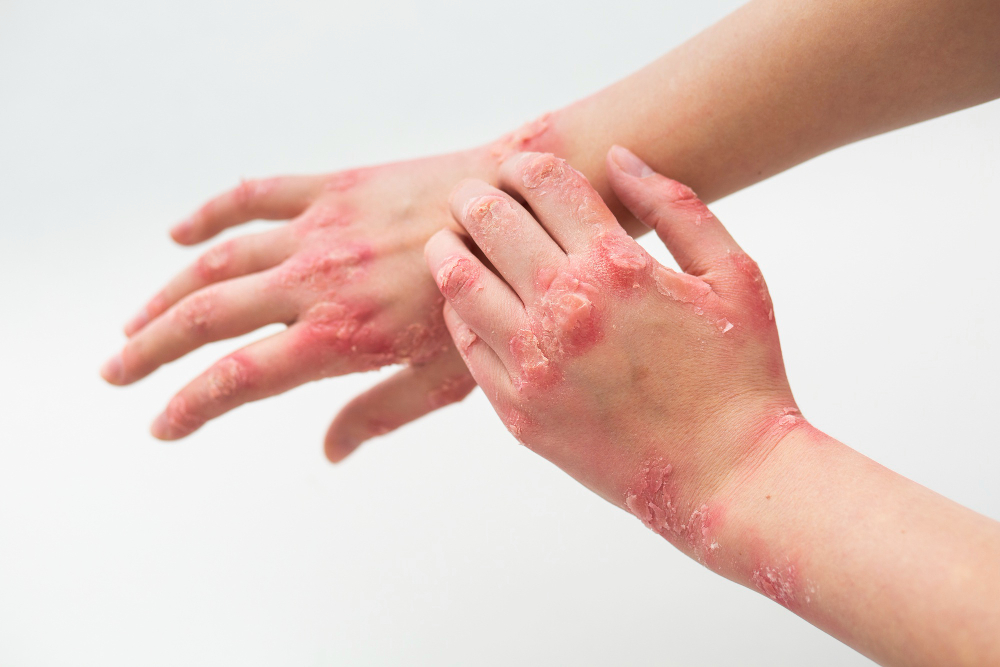
Fungal skin infections in monsoon are common, especially in humid places. These infections happen when fungi grow on the skin. During the rainy season, high humidity creates a warm, moist environment. This makes it easier for fungi to thrive. As a result, many people notice itchy rashes or red patches on their skin. In this blog, you will learn what causes these infections, how to spot them, and how to prevent fungal infections in the rainy season. Good monsoon skin care can help protect you from humid weather skin problems.
What Are Fungal Skin Infections?
Fungal skin infections are caused by tiny organisms called fungi. These germs live on the skin, hair, and nails. Usually, they do not cause problems. However, when the skin stays wet or sweaty, fungi can grow quickly. This leads to infections like ringworm, athlete’s foot, and yeast infections. According to the World Health Organization (WHO), these infections are common worldwide, especially in warm and humid climates.
Why Does Monsoon Humidity Increase the Risk?
During the monsoon, the air holds more moisture. Because of this, your skin stays damp for longer periods. Fungi love warm and moist places. So, the rainy season creates perfect conditions for them to grow. In addition, wet clothes and shoes can trap sweat. This makes it even easier for fungi to spread. For people living in humid regions, the risk is even higher. Therefore, monsoon skin care is very important.
Common Symptoms to Watch For
It is important to notice early signs of fungal skin infections. Early treatment can stop the infection from spreading. Look out for these symptoms:
If you see these signs, take action quickly. This can help prevent further problems.
Causes and Risk Factors During Monsoon
Several things can increase your risk of getting a fungal infection during the rainy season. For example, wearing damp clothes or shoes for long periods can trap moisture. In addition, sharing towels or personal items can spread fungi. Other risk factors include:
Because of these risks, it is important to practice good monsoon skin care.
Diagnosis: When to See a Doctor
Sometimes, home care is not enough. If your rash does not improve or gets worse, you should see a doctor. Also, if you notice pus, pain, or fever, seek medical help. Dermatologists can check your skin and may take a small sample for testing. Early diagnosis helps prevent the infection from spreading to others. According to the Centers for Disease Control and Prevention (CDC), timely treatment is key for a quick recovery.
Effective Treatments and Home Care Tips
Most fungal skin infections can be treated with creams or powders. Doctors may suggest antifungal medicines for severe cases. At home, you can help your skin heal by following these tips:
Because humid weather skin problems can return, it is important to finish all treatments.
Prevention: How to Protect Your Skin in Humid Weather
Good habits can help prevent fungal infections in the rainy season. Try these simple steps:
In addition, regular monsoon skin care can keep your skin healthy and strong.
In summary, fungal skin infections in monsoon are common but preventable. If you notice symptoms, consult a dermatologist for personalized advice.