Introduction: What Is Scar Management and Why Is It Important?
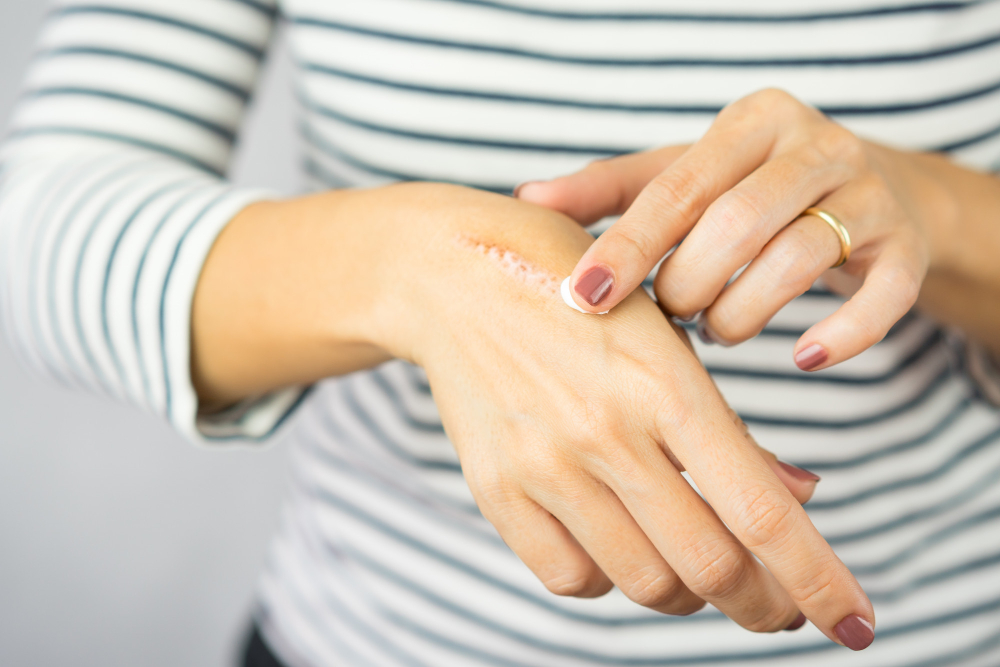
Scar management means caring for scars to help them heal better and look less noticeable. Many people want to know how to reduce scars after injuries, surgery, or acne. While scars are a natural part of healing, they can affect how you feel about your skin. For this reason, learning about scar management can help you feel more confident. In addition, using the right treatments can improve skin health and comfort.
Types of Scars
Not all scars look or feel the same. In fact, there are several types of scars. Knowing the type helps you choose the best scar treatments. Common types include:
Causes of Scars
Scars form when the skin heals after an injury. For example, cuts, burns, surgery, or acne can all cause scars. Sometimes, even small wounds can leave a mark. However, deeper or infected wounds are more likely to scar. Genetics also play a role, as some people scar more easily than others.
Symptoms and Appearance
Scars can look different depending on their type and cause. Usually, scars may appear as:
Over time, many scars fade. Yet, some may remain noticeable for years.
Diagnosis and Assessment
Doctors usually check scars by looking at them and asking about your medical history. Sometimes, they may measure the scar or check how it feels. In rare cases, a doctor may suggest a skin biopsy to rule out other problems. Early assessment helps guide the best scar management plan.
Evidence-Based Scar Management Options
There are many ways to manage scars. While some people try home remedies, others need medical treatments. Here are proven options:
Medical Treatments
Over-the-Counter Products
Home Remedies
However, not all home remedies work for everyone. For best results, talk to a dermatologist about the best scar treatments for your skin.
Lifestyle Tips for Scar Care
Healthy habits can support scar healing. For example, you can:
Additionally, regular gentle massage may help soften scars over time.
Prevention Strategies
While not all scars can be prevented, you can lower your risk. Try these tips:
Early care often leads to better healing and less visible scars.
When to Consult a Dermatologist
Sometimes, scars need expert care. You should see a dermatologist if:
Dermatologists can offer advanced scar management and guide you to the best scar treatments for your needs.
In summary, scar management can help your skin heal and look better. For personalized advice, consult a dermatologist.