What is Contact Dermatitis?
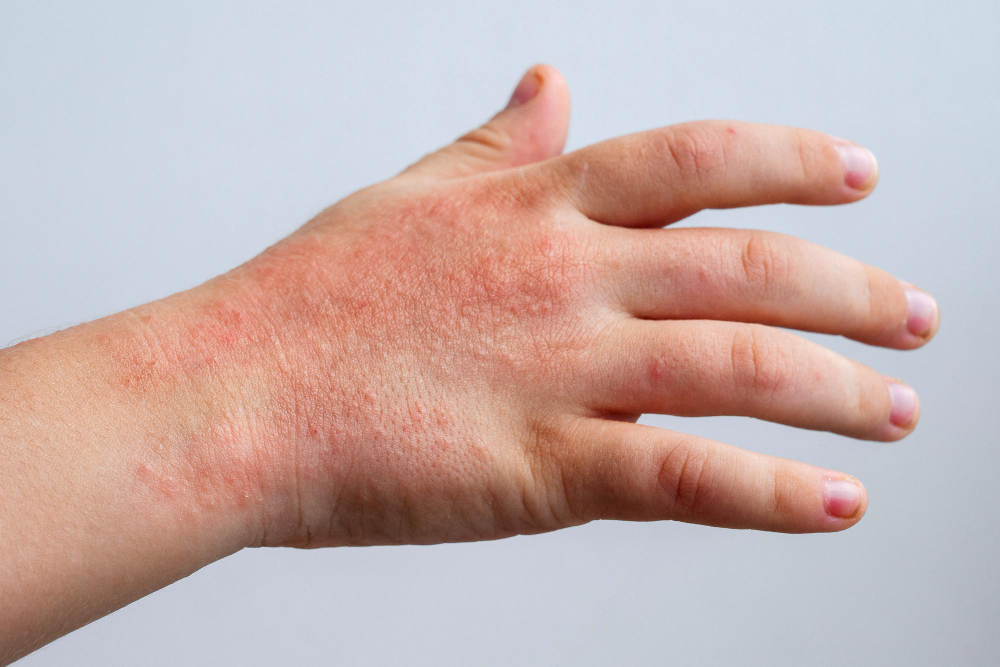
Contact dermatitis is a common skin condition. It happens when your skin reacts to something it touches. This reaction can cause redness, itching, or even a rash. Many people experience contact dermatitis at some point in their lives. For example, you might notice a skin allergy rash after using a new soap or touching certain plants. Because it can affect anyone, knowing about contact dermatitis is important for daily life.
Common Causes of Contact Dermatitis
There are two main types of contact dermatitis: irritant and allergic. Each type has different causes. However, both can lead to skin irritation.
In addition, some people are more sensitive than others. For instance, children and people with eczema may react more easily. Because triggers are everywhere, it helps to know what to avoid.
Symptoms to Watch For
Contact dermatitis symptoms can appear within hours or days after exposure. Although symptoms vary, some are more common than others. Watch for these signs:
Sometimes, the rash appears only where your skin touched the trigger. However, in severe cases, it can spread. If you notice these symptoms, try to identify what caused them. Early action can help prevent the rash from getting worse.
How Contact Dermatitis is Diagnosed
Doctors usually diagnose contact dermatitis by looking at your skin and asking about your history. For example, they may ask about new products or recent activities. Sometimes, they use a patch test. In this test, small amounts of possible allergens are placed on your skin. After a few days, the doctor checks for a reaction. This helps find the exact cause of your skin allergy rash. Because other skin problems can look similar, a proper diagnosis is important.
Effective Treatment Options
Treatment for contact dermatitis focuses on easing symptoms and avoiding triggers. Most cases improve with simple steps. However, severe cases may need medical care.
If your symptoms do not improve, or if you have severe swelling or pain, see a dermatologist. Sometimes, infections can develop and need extra treatment.
Prevention Tips and Lifestyle Guidance
Preventing skin irritation is possible with a few simple steps. Because triggers are common, being careful can help you avoid contact dermatitis.
In addition, teach children about possible triggers. Because prevention is easier than treatment, these habits can protect your skin in the long run.
When to See a Dermatologist
Most cases of contact dermatitis get better with home care. However, you should see a dermatologist if:
Because skin conditions can sometimes signal other health problems, a doctor’s advice is important. Early treatment can prevent complications and help you feel better faster.
For personalized advice on managing contact dermatitis, consult a dermatologist. They can help you find the best treatment and prevention plan for your skin.