Introduction
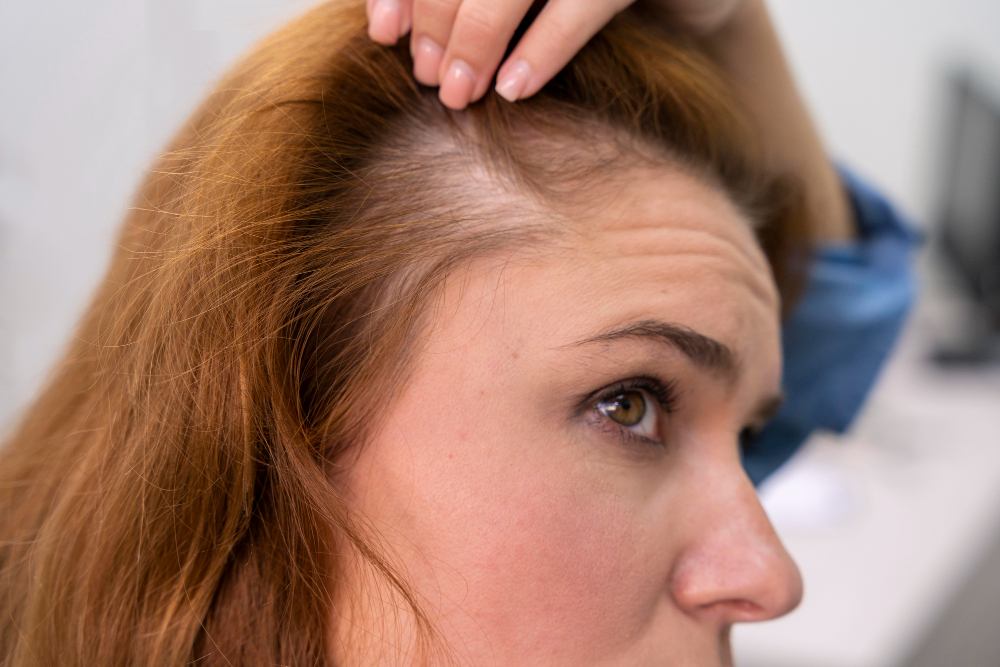
Female pattern baldness is a common type of hair loss in women. It often leads to thinning hair, especially on the top and crown of the scalp. While it is less talked about than male hair loss, it can affect self-esteem and confidence. According to the American Academy of Dermatology, up to 40% of women experience visible hair loss by age 50. Because female pattern baldness can be distressing, understanding its causes and treatments is important. In this blog, you will learn about symptoms, causes, diagnosis, and treatment for female pattern baldness. You will also find tips on how to prevent hair thinning in women.
Symptoms
Recognizing female pattern baldness early can help you seek timely treatment. Usually, hair loss happens gradually. However, some women may notice sudden changes. Here are common symptoms:
Unlike men, women usually do not go completely bald. Instead, the hair becomes thinner over time. If you notice these signs, it is wise to talk to a doctor.
Causes
There are several female hair loss causes. Most often, female pattern baldness is linked to genetics. If your mother or grandmother had thinning hair, you may be at higher risk. However, other factors can play a role too. For example, hormonal changes during menopause can trigger hair loss. In addition, certain health conditions, like thyroid problems or iron deficiency, may cause hair thinning in women. Stress, poor diet, and some medications can also lead to hair loss. Understanding these causes can help you and your doctor find the best treatment.
Diagnosis
Doctors use several steps to diagnose female pattern baldness. First, they will ask about your medical history and family history of hair loss. Next, they may examine your scalp to look for patterns of thinning. Sometimes, doctors do a gentle pull test to see how much hair comes out. Blood tests may be ordered to check for thyroid issues or low iron. In rare cases, a scalp biopsy may be needed. This helps rule out other causes of hair loss. Early diagnosis can make treatment more effective.
Treatment Options
There are many treatment options for female pattern baldness. The right choice depends on your age, health, and how much hair loss you have. Here are some common treatments:
It is important to talk to your doctor before starting any treatment for female pattern baldness. Some options work better for certain people.
Prevention Tips
While not all hair loss can be prevented, you can take steps to lower your risk. Here are some practical tips:
By following these tips, you may help prevent hair thinning in women. However, genetics still play a big role.
When to See a Dermatologist
Sometimes, hair loss can signal a health problem. If you notice sudden or patchy hair loss, it is best to see a dermatologist. Also, if you have itching, redness, or pain on your scalp, seek medical advice. Early treatment can help slow down or even reverse female pattern baldness. A dermatologist can offer personalized advice and suggest the best treatment for you.
In summary, female pattern baldness is common but treatable. Many women find help through medical treatments and lifestyle changes. If you are worried about hair loss, consult a dermatologist for personalized advice on female pattern baldness.