Introduction
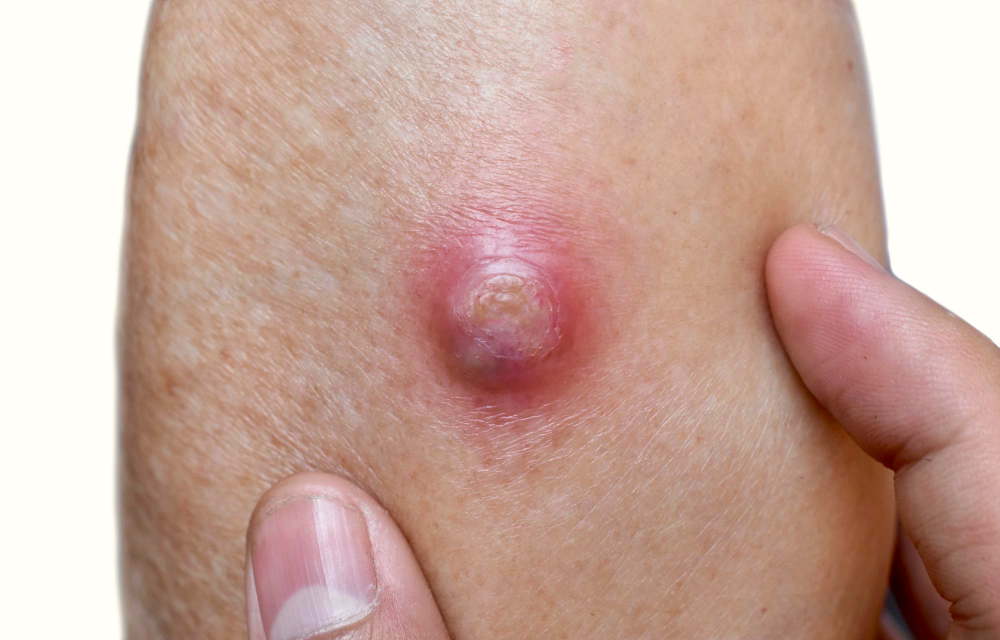
Many people notice common skin lumps at some point in their lives. These lumps can appear anywhere on the body. Often, they are harmless. However, sometimes they may signal a health problem. Knowing about common skin lumps helps you decide when to seek help. Early attention can make a big difference.
Types of Common Skin Lumps
There are several types of skin lumps. Each type looks and feels different. Here are some of the most common:
Sometimes, other lumps may appear, such as skin tags or boils. But most skin lumps are benign, meaning they are not cancer.
Symptoms and Warning Signs
Most skin lumps do not cause pain. Still, you should watch for certain symptoms. For example, a lump that grows quickly or changes color may need attention. Here are some warning signs:
If you notice any of these, it is wise to see a doctor. Early care can help rule out serious problems.
Causes and Risk Factors
Skin lumps can have many causes. For instance, cysts may form from blocked glands. Lipomas often run in families. Warts come from a virus called HPV. Moles are usually genetic, but sun exposure can play a role. Some risk factors include:
Although most lumps are benign, some can be cancerous. Therefore, knowing your risk helps you stay alert.
Diagnosis: What to Expect
When you visit a doctor for a skin lump, they will ask about your symptoms. Next, they will examine the lump. Sometimes, they may use a special light or magnifier. In some cases, a small sample (biopsy) is taken for testing. This helps tell if the lump is benign or malignant. Blood tests or scans are rarely needed. Most often, a simple exam is enough for diagnosis.
When to See a Doctor
It is important to know when to seek help. You should see a doctor or dermatologist if:
Additionally, if you feel unsure about a skin lump, it is best to get it checked. Early diagnosis can help prevent serious problems. According to the CDC and WHO, early care leads to better outcomes.
Prevention and Skin Care Tips
While not all skin lumps can be prevented, you can lower your risk. Try these simple tips:
By following these steps, you can spot problems early and keep your skin healthy.
Conclusion and Call-to-Action
In summary, common skin lumps are usually harmless. However, some may need medical care. If you notice any changes or warning signs, do not wait. If you notice any unusual skin lumps, consult a dermatologist for personalized advice.